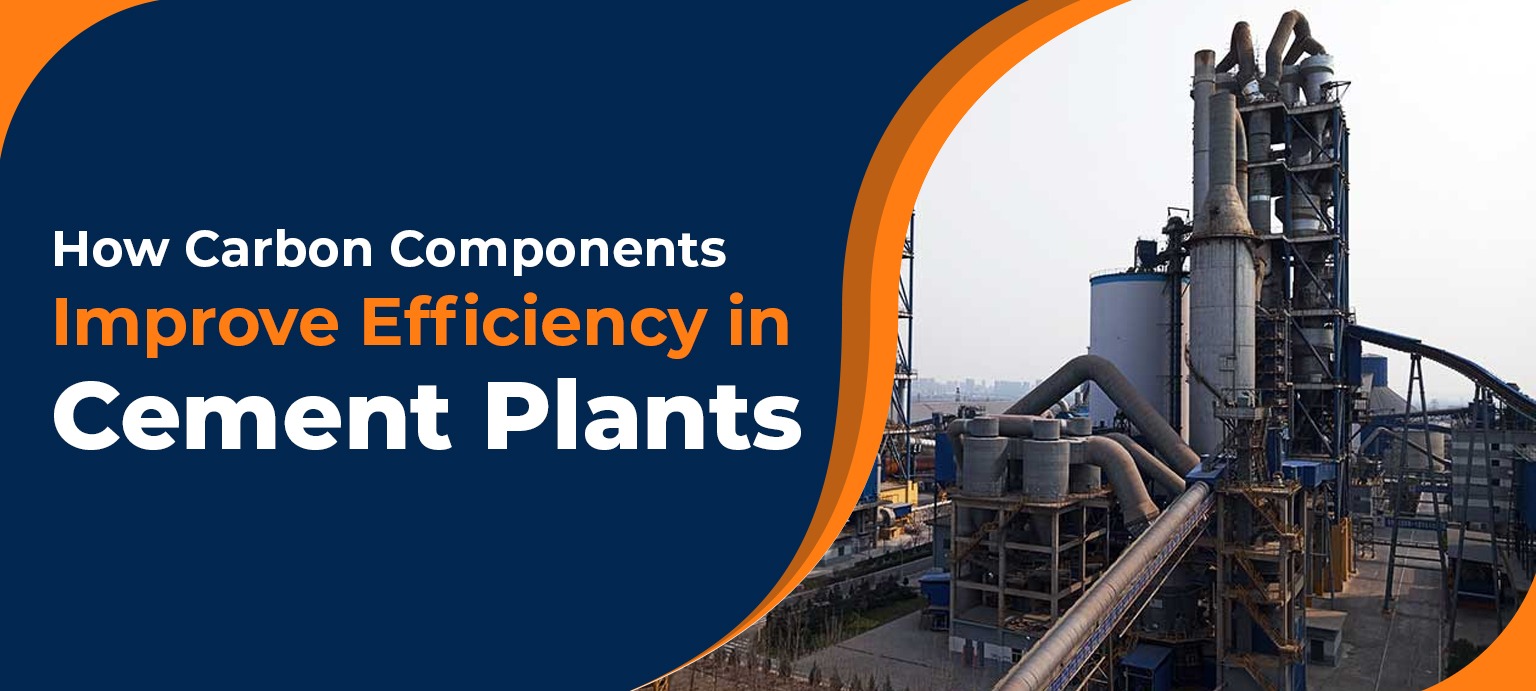
Machinery in cement manufacturing works under tough conditions. Constant exposure to heat, heavy loads, and abrasive dust is standard. In this setting, a minor part failure often interrupts production and raises maintenance expenses. Picking the right components directly impacts plant stability. Carbon parts allow equipment to run reliably and wear down slower. Today, plant managers use them widely across critical applications to keep operations efficient.
Why Efficiency Matters in Cement Plants
Running a successful cement facility means balancing energy use, avoiding sudden shutdowns, and keeping repair budgets under control. Every machine on the line has to work consistently to maintain output targets. When operators install reliable parts, they see fewer failures in motors, conveyors, and kilns. Efficient systems naturally lead to lower operating costs. Better parts also help extend the service life of equipment across the facility.
What Are Carbon Components?
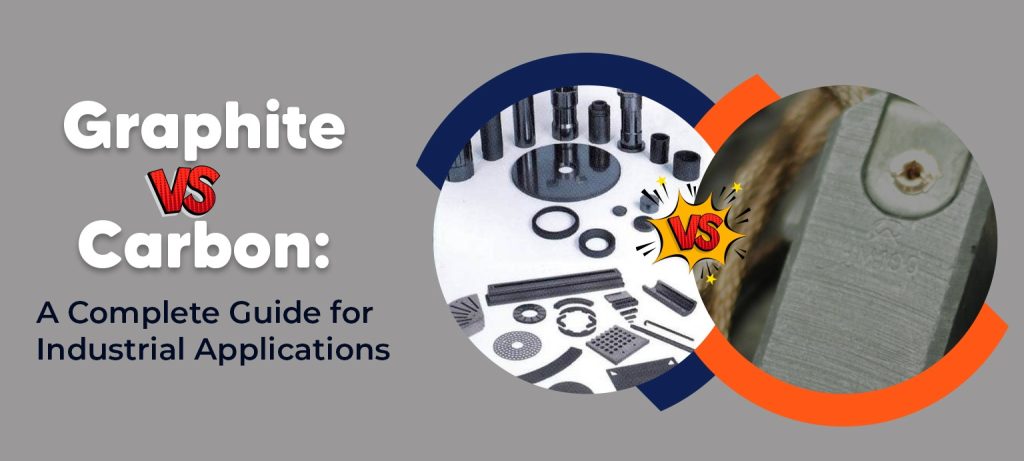
These specific parts are made from industrial carbon and graphite. Engineers value them for their natural self-lubricating properties, ability to handle heat, and electrical conductivity. You will typically find them in electrical systems or mechanical assemblies where standard metals wear out too fast. They handle mechanical stress very well. This makes them a suitable choice for the demanding environment of a typical cement facility.
Important Carbon Components Used in Cement Plants
A few specific parts do most of the work to maintain steady plant operations. Based on typical industry requirements, the most common applications involve:
• Carbon brushes for electric motors and generators
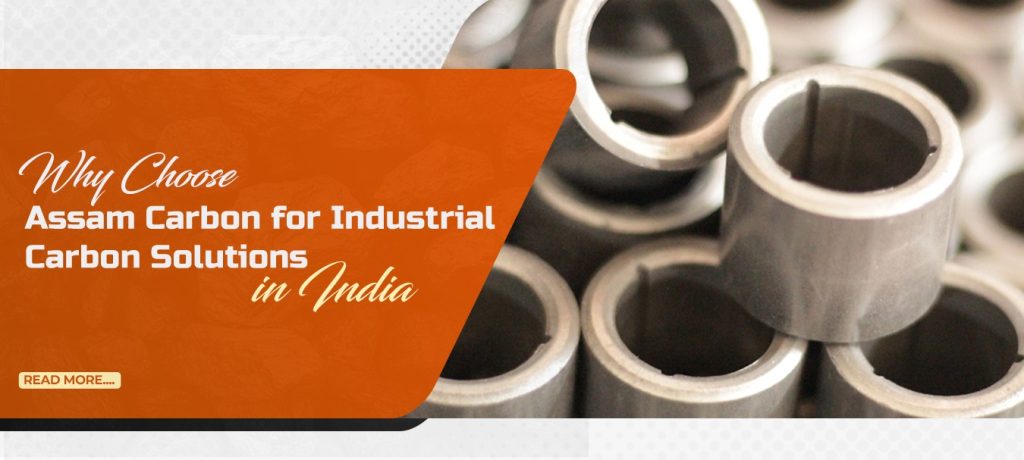
• Carbon bushes for mechanical support in rotating equipment
• Lubricating blocks to reduce friction in moving parts
• Graphite components designed for high-temperature zones
Better Motor Performance with Carbon Brushes
Electric motors drive the most important systems in a plant, from conveyors to crushers and large fans. Carbon brushes create a stable electrical connection between the stationary and moving parts of these motors. A good brush minimizes sparking and protects commutators from wearing out prematurely. Selecting the correct brush grade helps operators achieve consistent motor performance and spend less time on electrical maintenance.
Reliable Support with Carbon Bushes
Heavy equipment needs sturdy parts to guide movement and support rotating shafts. Technicians frequently use carbon bushes in these assemblies because they resist wear so well. They perform steadily even when abrasive dust compromises standard metal alternatives. Installing quality bushes keeps machinery aligned properly and cuts down on mechanical friction. This simple upgrade lessens the daily maintenance workload for your facility technicians.
Friction Management with Lubricating Blocks
The dusty environment of cement production makes traditional grease and oil hard to maintain. Lubricating blocks offer a practical alternative for these challenging areas. They deliver continuous, dry lubrication right to the moving surfaces. This manages friction without attracting dirt and particles. Protecting rotating machinery this way slows down wear, helping to extend service life and prevent sudden mechanical stops on the line.
Graphite Components for High-Temperature Applications
Areas like rotary kilns operate at temperatures that cause standard materials to fail. Graphite components offer a reliable solution for these high-heat zones. They hold their structural strength even as temperatures rise to extreme levels. They also handle sudden thermal shocks very well. This stability is exactly why graphite is so valuable for processes that need to perform consistently under intense heat.
Lower Maintenance and Reduced Downtime
Unplanned machine failures disrupt schedules and quickly increase operational costs. Using durable parts helps lower these risks. When teams properly install quality items like carbon brushes and bushes, they usually replace them less often than conventional metals. This frees up maintenance crews to focus on planned preventative work instead of rushing to fix emergency breakdowns. The plant stays on a much more predictable schedule.
Energy Savings Through Efficient Operation
Well-maintained machinery normally consumes less energy because it faces less mechanical resistance. Carbon brushes keep electrical current transferring efficiently. At the same time, lubricating blocks and bushes lower friction on moving parts. These small improvements let equipment run smoother overall. That steady performance leads to better energy management across the entire facility, helping operators control their monthly power consumption much more effectively.
Choosing the Right Carbon Components
Every facility has unique equipment designs, loads, and maintenance schedules. Picking the proper carbon grade is a necessary step to optimize how your machinery runs. Managers should look closely at operating temperatures, running speeds, and local dust levels before deciding. Talking directly with an experienced manufacturer ensures that the parts you choose accurately match the specific technical needs of your plant.
Final Thoughts
Carbon components serve a clear purpose in modern cement production. Their ability to manage friction, handle high temperatures, and support electrical systems makes them valuable for industrial machinery. Switching to specialized carbon parts helps facilities operate more consistently. When a plant installs the correct components, it can improve its overall efficiency, reduce the number of maintenance shutdowns, and maintain a steady output.
Are you looking to improve the reliability of your cement plant machinery? Assam Carbon Products Limited manufactures precision-engineered solutions designed for demanding industrial environments. Our product range includes high-quality carbon brushes, durable carbon bushes, practical lubricating blocks, and specialized graphite components. We focus on providing professional, reliable parts that support efficient equipment performance and help extend service life. Partner with us to address your mechanical and electrical component needs with materials engineered specifically for the rigorous conditions of the cement industry.