Procurement managers and plant engineers frequently use the terms carbon and graphite interchangeably when ordering industrial machinery components. Though both materials consist of the exact same chemical element, their distinct atomic arrangements dictate how they handle extreme loads, high friction, and electrical currents. Choosing the wrong material can severely hurt your operational efficiency, trigger unexpected equipment downtime, and drive up maintenance costs. Understanding these subtle structural variations ensures you select the optimal grade for demanding industrial environments.
What is Industrial Carbon?
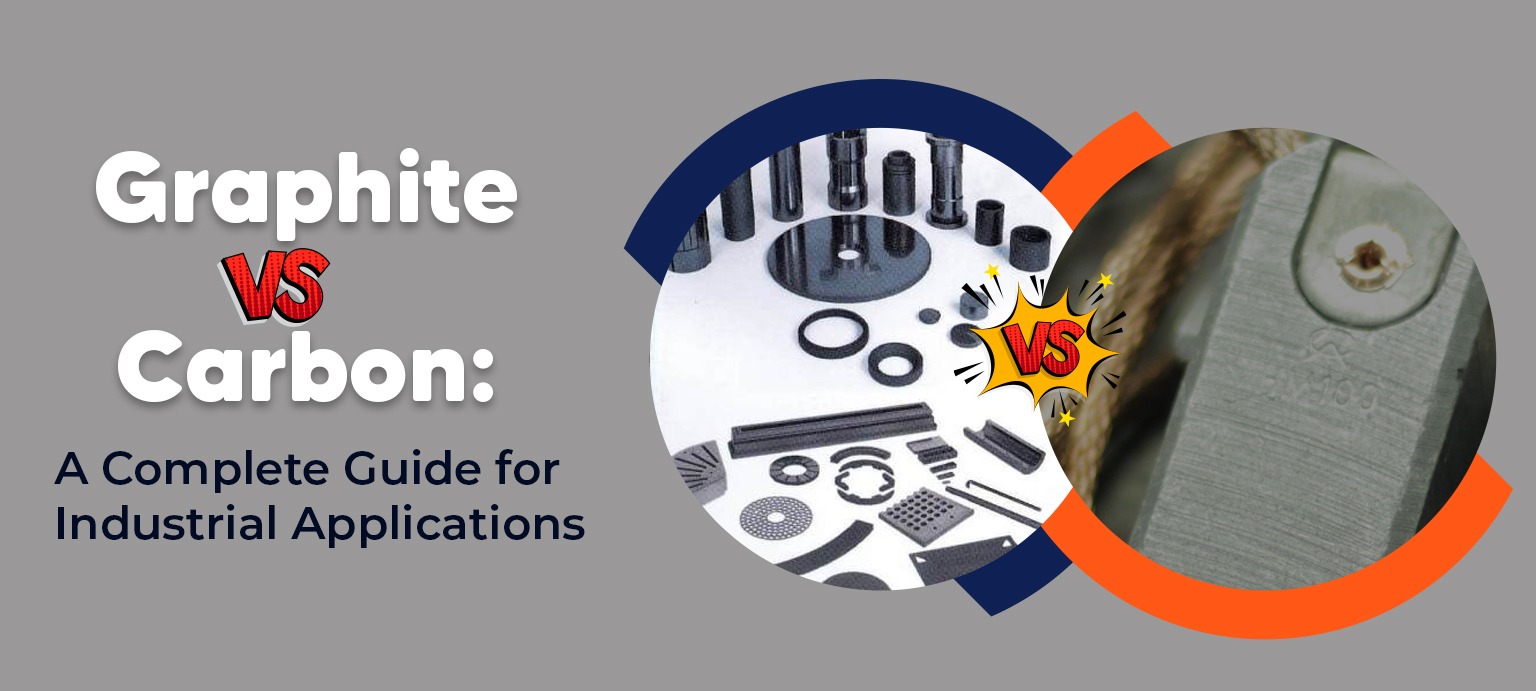
In industrial manufacturing, carbon materials are widely used for components that require strength, wear resistance, and chemical stability. Depending on the production method and material composition, industrial carbon can be produced in different grades and structures for specific applications. These materials are manufactured through controlled heating and processing methods that improve density and durability. Because of their mechanical strength and resistance to harsh operating conditions, carbon components are commonly used in heavy-duty industrial equipment.
The Properties of Speciality Graphite
Graphite represents a deeper level of material processing. Forcing carbon through a highly controlled graphitisation process at temperatures exceeding 2,500 degrees Celsius completely rearranges the atomic structure. The atoms lock into flat, parallel sheets that easily slide past one another. This layered structure makes graphite a superb dry lubricant while drastically boosting its capacity to conduct both heat and electricity.
Managing Mechanical Friction and Wear
Friction levels dictate your material choice. When a system piece faces non-stop physical rubbing and needs to survive rough abrasive forces, the sheer hardness of amorphous carbon works best. However, when your mechanical assembly demands moving components that slide smoothly with minimal resistance, the slick nature of graphite is necessary. It prevents components from binding, overheating, or suffering catastrophic surface damage under load.
Electrical Conductivity and Heat Resistance
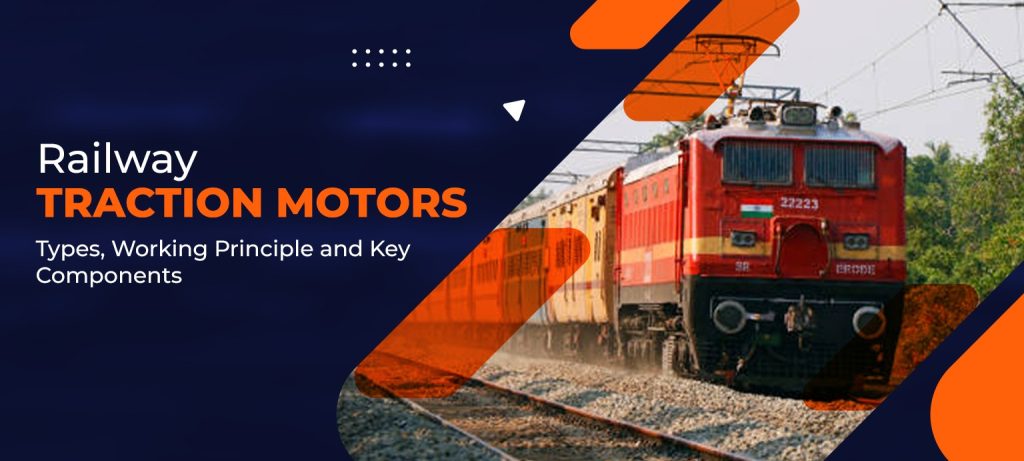
Running heavy electrical equipment requires a delicate compromise. Pure graphite transfers electric currents efficiently but wears down far too fast under friction. Standard carbon offers great structural durability but struggles with electrical conductivity. This is why critical parts like railway traction motor brushes utilize custom carbon-graphite mixtures. For intense furnace operations, pure graphite dominates because it resists severe thermal shock.
Choosing the Right Material for Your Needs
Your selection must map directly to your daily operating environment. For industrial fluid handling and chemical pumps, mechanical carbon seals provide the necessary chemical resistance and longevity. If you manage large power distribution systems or railway traction grids, engineered carbon-graphite parts offer the ideal balance. For processing molten metals or handling extreme heat, highly refined graphite remains the only viable choice.
Final Thoughts
Carbon and graphite share identical chemical DNA, but they execute entirely different roles on the production floor. Recognizing how each material responds to stress, heat, and voltage keeps your machinery running and cuts out unexpected expenses. Specifying the precise material grade is the fastest way to stabilize your daily manufacturing output and protect your equipment investments.
At Assam Carbon Products Limited, we focus on matching your specific industrial applications with the precise material grade they require. We manufacture durable electrical and mechanical carbon components designed to support the railway, steel, and petrochemical sectors. Our engineers develop dependable carbon brushes, mechanical seals, and specialized graphite products built to your exact technical blueprints. We emphasize practical, reliable engineering that protects your plant efficiency and reduces operational risks. Get in touch with our team today to evaluate your current component specifications and see how we can help.