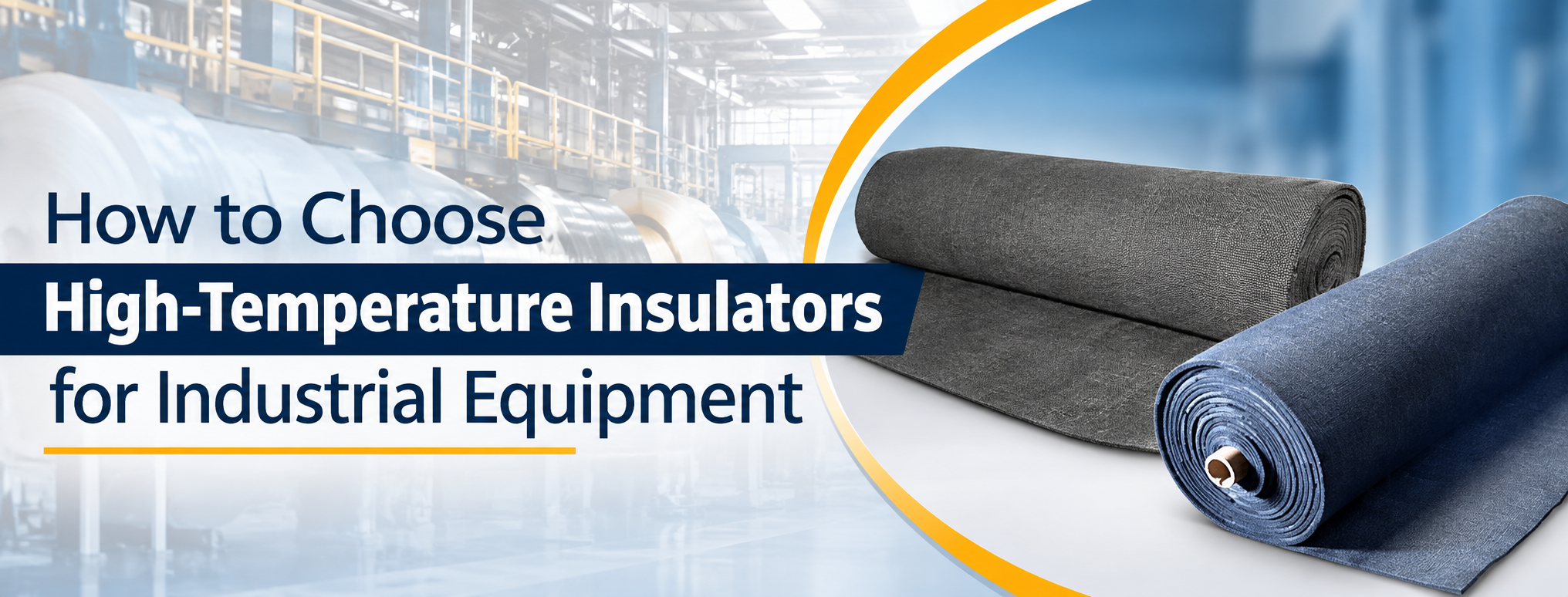
Heat and steam are part of many industrial processes. Paper mills, textile factories, plastic units and petrochemical plants use equipment that needs parts suited to these conditions. If you are selecting an insulator for such equipment, look beyond its temperature rating. The type of machine, pressure, material and fitting requirements also matter. Checking these points before buying can help you find a product that fits the actual job.
1. Understand the Operating Temperature
Find out the temperature at which the machine usually runs. It is also useful to know the highest temperature it reaches during operation. These figures will help you decide whether a material is suitable. If the equipment is switched between hot and cool conditions often, ask the supplier how the material performs during repeated temperature changes.
2. Check the Material Properties
Take a closer look at the material before choosing an insulator. Its ability to handle heat is important, but there are other things to consider, particularly when the component works under pressure or comes into contact with other materials. Keep these points in mind:
- Heat resistance: Check the temperature range for which the material is recommended.
- Mechanical strength: Find out whether it can handle the load and pressure inside the equipment.
- Wear resistance: Consider the amount of contact and movement the component will face.
- Chemical resistance: Check whether the material is suitable for the liquids, gases or chemicals used in the process.
The answers will help you decide which material is worth considering.
3. Consider the Type of Industrial Equipment
Where the insulator will be fitted makes a difference. A component used in a fixed heating unit may not have the same requirements as one used in rotating machinery. Take steam-heated rolls in paper mills as an example. Steam has to move from a stationary supply into a roll that keeps rotating. The components used in this arrangement must suit the machine’s design and operation.
4. Check Steam Pressure and Operating Conditions
For steam-operated equipment, check the working pressure as well as the temperature. The speed of the machine and the movement of its parts should not be overlooked. Rotary pressure joints carry steam or other fluids from a fixed supply to rotating equipment. Before choosing the related components, make sure their recommended working conditions match those of the machine.
5. Look at the Sealing and Joint Design
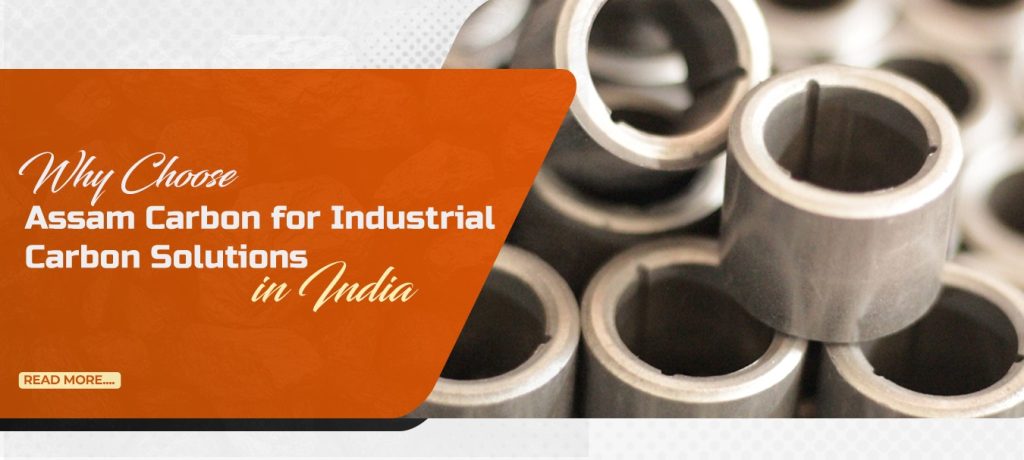
The joint design should be checked before selecting a sealing component. In steam-heated roll systems, carbon sealing rings are used in steam nozzle joints. Their self-lubricating properties and resistance to wear make them suitable for certain applications. The ring must also match the joint in size and design. Proper fitting and alignment are important when installing the component.
6. Check Resistance to Wear and Friction
Friction is common in machines where two parts remain in contact during operation. Over time, this contact can affect the condition of the components. Carbon is used in mechanical applications where self-lubrication and resistance to wear are required. It is also used in certain high-temperature conditions. The carbon grade should be chosen after considering the machine, its load and its working environment.
7. Consider the Industry Application
Before choosing a product, be clear about where it will be used. A paper mill and a textile plant may use steam-heated equipment, but their machine requirements can differ. Some common applications are:
- Paper industry: Steam-heated rolls are used in paper production.
- Petrochemical industry: Certain machines handle hot liquids and vapours.
- Textile industry: Steam-heated rolls are used in some fabric processing operations.
- Plastics and rubber industries: Steam-heated equipment is used in different production activities.
Giving the manufacturer clear information about the application can make product selection easier.
8. Ask About Product Grades and Technical Details
It is better to check the product details before confirming an order. Ask about the material grade, size, dimensions and recommended working conditions. Temperature and pressure limits are also worth checking. If you are buying a replacement, keep the old component’s measurements and equipment details ready. This information can help the manufacturer understand what you need.
9. Consider Maintenance and Replacement Requirements
Think about maintenance before making the final choice. Find out how the component can be checked and replaced when needed. This is especially important for machines that run for long hours. For rotating equipment, inspect the sealing surfaces and check whether the parts remain properly fitted. Regular checks can help you plan replacement work based on the actual condition of the component.
Final Thought
There are several points to check before selecting a high-temperature insulator. The working temperature, steam pressure, material grade and machine design all have a bearing on the choice. Maintenance and fitting requirements should also be considered. If you are unsure about a product, discuss the equipment details with the manufacturer and check the technical information before placing an order.
Looking for High-Temperature Insulators for Industrial Applications?
Need carbon components for steam-heated rolls or other industrial equipment? Assam Carbon Products Limited offers Hi-Temperature Insulators, steam nozzle joint rings, bearings and carbon sealing rings for steam-heated roll applications. Our range also includes electrical carbon products, carbon brushes, current collectors, pantograph components, mechanical carbon products, seal rings, gland packing rings, radial bearings, thrust pads and specialty graphite products. These products are used in industries such as paper, petrochemical, plastics, rubber, textile, steel and power. If you are planning to purchase a component or replace an existing one, tell us about your machine and its operating requirements. Our team can help you check the available product options for your application.